
Move Well, Stay Independent: Safe Exercise Strategies for Older Adults

Updated: Mar 17
Staying active as we age isn’t about pushing harder. It’s about moving smarter so your body keeps working for you.
Most people I work with want the same thing:
• Walk without pain • Feel steady on their feet • Stay independent • Keep doing the things they enjoy
That’s exactly what the right kind of exercise can help you do.
I’m Devon, and for nearly two decades I’ve helped people improve their strength, mobility, and confidence through safe, personalized training.
Let’s talk about a few simple ways to stay active without beating up your body.
Why Functional Movement Matters
“Functional fitness” simply means training movements that help in everyday life.
Things like:
• Getting up from a chair • Carrying groceries • Climbing stairs • Reaching overhead • Walking confidently
When we train these movements the right way, we improve:
• Strength • Balance • Coordination • Mobility
And that dramatically reduces the risk of falls and injuries.
1. Start With the Right Baseline
Before jumping into exercise, it helps to understand where your body is right now.
Everyone is different.
Some people need more work on balance. Others need to restore mobility or strength.
That’s why the first step is always a simple movement assessment so we know where to start.
From there we build a program that fits your body and your goals.
2. Improve Balance and Stability
Balance is one of the most important skills to maintain as we age.
Even small improvements in balance can greatly reduce fall risk.
Some simple balance drills include:
• Standing on one foot while holding a chair • Slow controlled step-backs • Gentle weight shifts side to side
These exercises train your body to stay steady and react quickly if you lose balance.
3. Maintain Strength (Without Beating Up Your Joints)
Strength is essential for independence.
The goal isn’t heavy bodybuilding workouts.
Instead, we focus on safe resistance training using:
• Resistance bands • Light dumbbells • Bodyweight exercises • Supported movements
These strengthen the muscles that support your joints and help you move more confidently.
4. Keep Your Joints Moving
Stiff joints make everyday activities harder.
Mobility and gentle stretching help keep your body moving comfortably.
This can include:
• Shoulder mobility work • Hip and ankle mobility drills • Gentle spine movement
When joints move well, everything else becomes easier.
5. Use Low-Impact Cardio
Your heart needs exercise too.
But it doesn’t need to be high-impact.
Great options include:
• Walking • Swimming • Cycling • Light elliptical training
These activities support heart health while keeping stress off the joints.
6. Pay Attention to Your Body
Your body is always giving you feedback.
Pain, fatigue, and stiffness are signals worth listening to.
A good program adjusts when needed and progresses gradually so your body can adapt safely.
Progress should feel challenging but manageable.
7. Make Movement Something You Enjoy
The best exercise program is one you actually stick with.
That might include things like:
• Gardening • Dancing • Playing with grandkids • Walking with friends
Movement doesn’t have to feel like a workout to be effective.
A Little About Me
I’ve been a personal trainer since 2006 and specialize in helping people improve:
• Mobility • Strength • Injury prevention • Long-term health
My focus is helping people move better so they can stay active and independent for as long as possible.
Ready to Get Started?
If you’d like guidance on where to begin, I’d be happy to help.
Together we’ll build a safe, simple plan that fits your body and your lifestyle.
Final Thoughts
It’s never too late to improve how your body moves and feels.
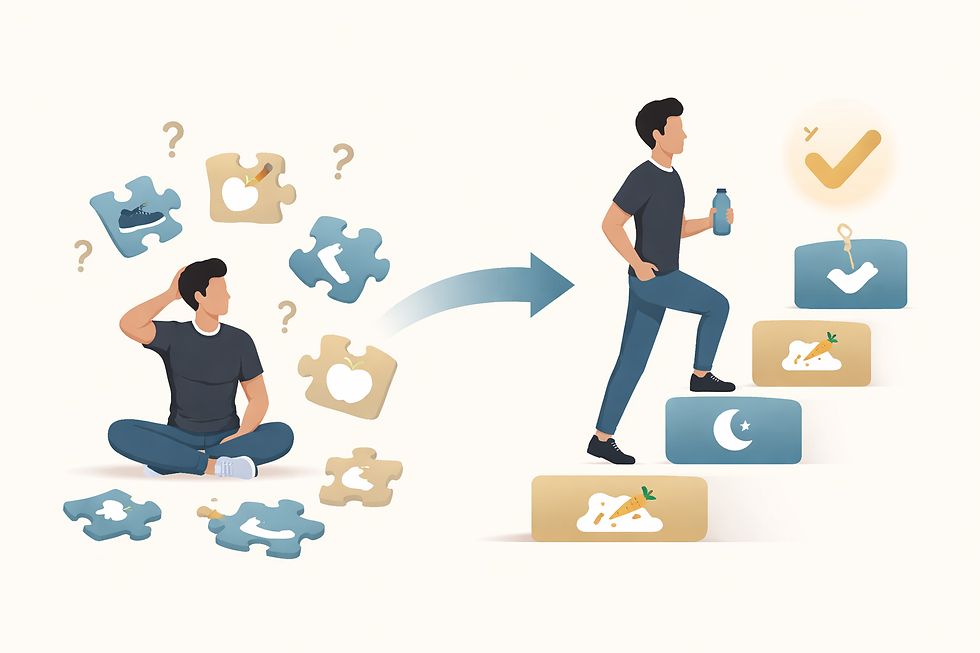
Small steps done consistently can lead to big improvements in strength, balance, and confidence.
Your future independence is worth investing in.
Stay well,
- Devon


Comments